Book Categories:

Heat Tape for Water Pipes: How to Choose the Right Freeze Protection Cable
PIPE FREEZE PROTECTION GUIDE
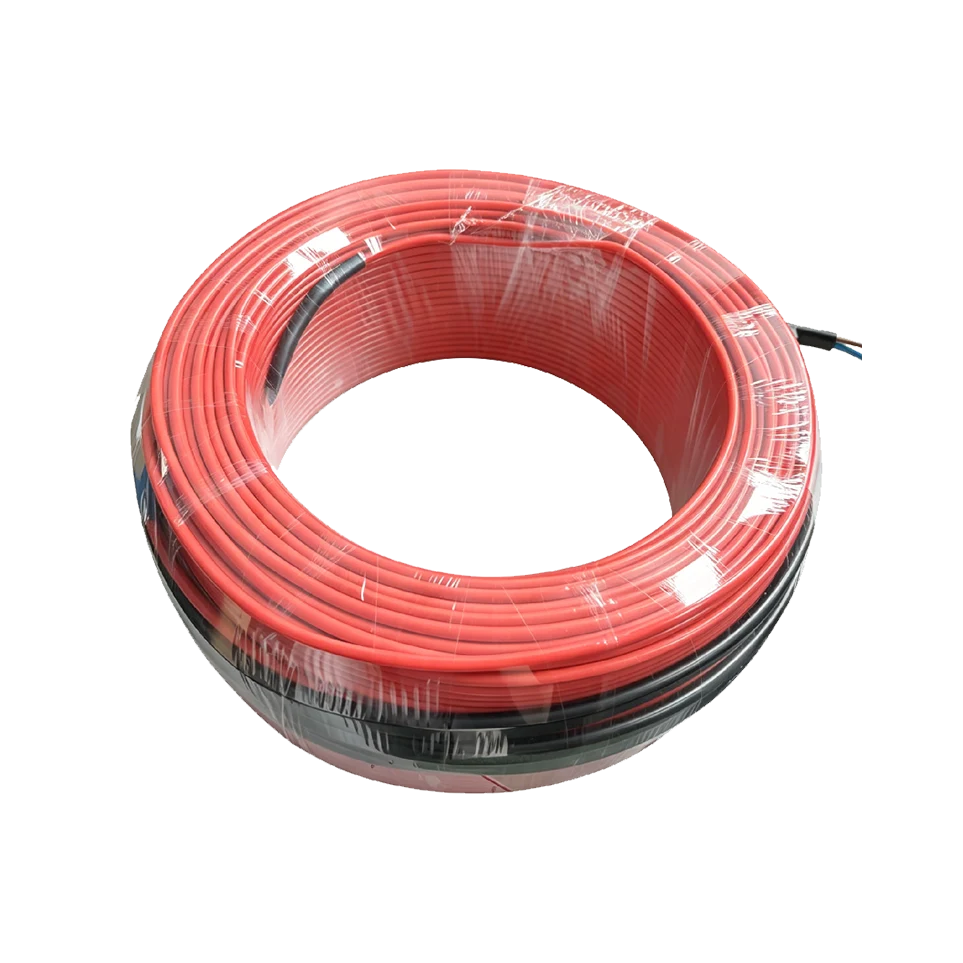
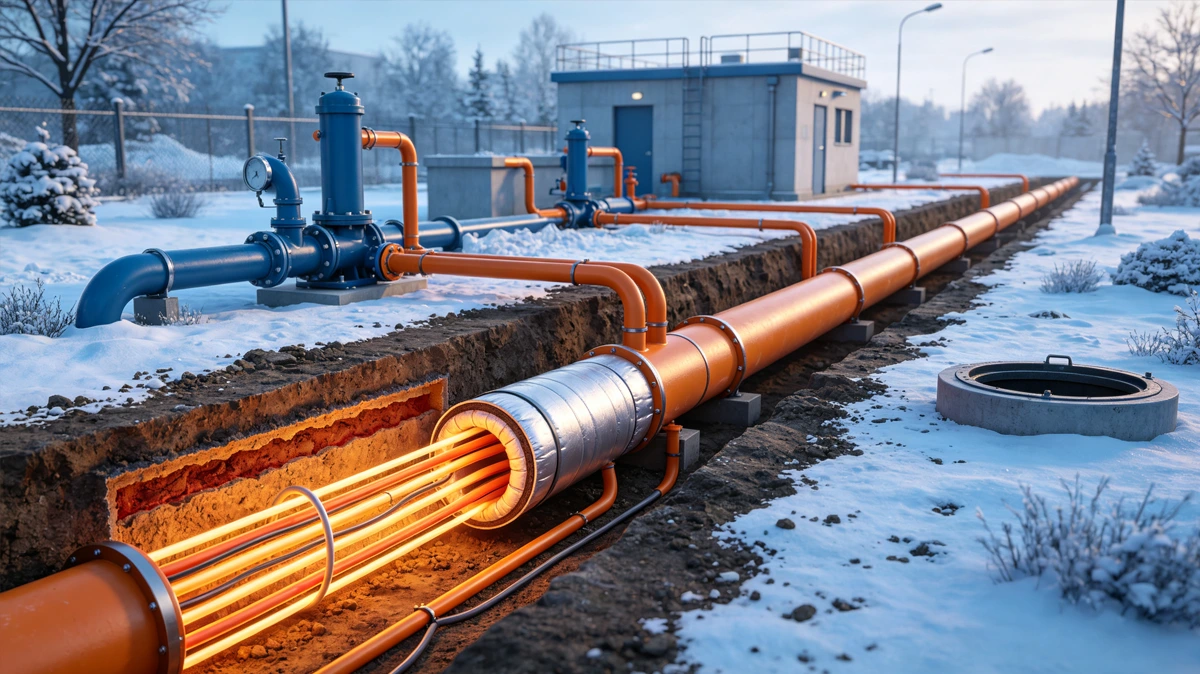
Heat tape for water pipes is an electric heating cable designed to help prevent water lines from freezing when cold exposure exceeds what insulation alone can handle. The right cable depends on the pipe material, diameter, exposed length, insulation, lowest expected temperature, available power, and the control method used.
For a broader introduction to cable types, installation planning, and system design, read our Heat Tape for Pipes: Selection, Installation and Freeze Protection Guide.
BEST FOR
Exposed or unheated water pipes with a genuine freezing risk.
CHECK FIRST
Pipe compatibility, cable instructions, insulation, voltage, and controls.
DO NOT ASSUME
Every cable is suitable for every pipe material, location, or climate condition.
In This Guide
What Is Heat Tape for Water Pipes?
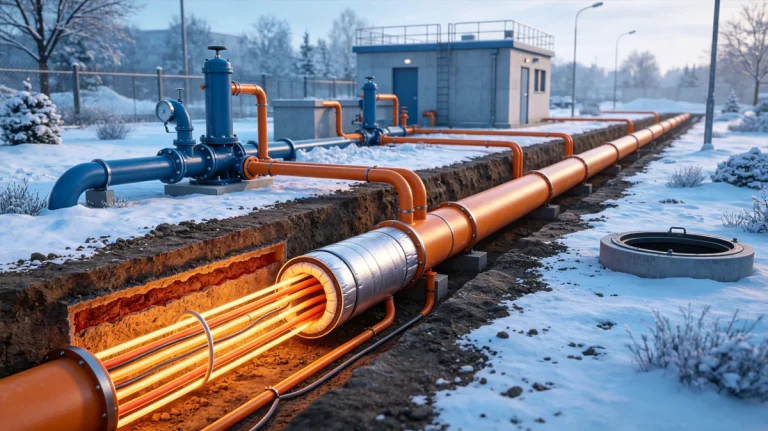
Heat tape for water pipes is a general term for electrical cable installed along a water line to provide controlled heat. It is commonly used on pipes exposed to low temperatures in unheated buildings, crawl spaces, attics, exterior walls, loading areas, outdoor utility runs, and other cold-prone locations.
The purpose of a pipe heating cable is normally freeze protection. It helps maintain the pipe above the temperature at which water could freeze, reducing the risk of burst pipes, water damage, service interruptions, and emergency repairs.
Direct answer: Heat tape does not replace a complete freeze-protection plan. It works with compatible insulation, suitable controls, correct installation, and routine inspection.
“Heat tape,” “heat cable,” “pipe heating cable,” and “heat trace cable” are terms often used in the same conversation. The product category and design requirements, however, can vary significantly. A short domestic water line and a long commercial water distribution run may need very different cable, control, and accessory solutions.
Which water pipes are most at risk?
Water lines are most likely to freeze when they are exposed to sustained cold, moving air, inadequate insulation, or an unheated environment. Risk can increase around valves, elbows, meters, pumps, and pipe supports because these components can lose heat more quickly than a straight insulated run.
Freeze protection is often considered for copper, steel, plastic, PEX, CPVC, PVC, and composite pipe systems. Always confirm compatibility with both the pipe manufacturer and the heating cable manufacturer before selecting or installing a system.
When Do Water Pipes Need Freeze Protection?
Not every water pipe requires heat tape. The decision should be based on actual exposure and the consequences of a freeze event. A well-insulated interior pipe in a continuously heated building may not require electric protection. An exposed water line in a vacant warehouse or exterior service area may require a more deliberate system design.
Consider a freeze-protection cable when one or more of the following conditions apply:
- The pipe is outdoors, above ground, or routed through an unheated space.
- The local winter temperature can remain below freezing for extended periods.
- The line is exposed to wind, drafts, moisture, or repeated temperature changes.
- The building is intermittently heated, seasonally vacant, or difficult to monitor.
- The pipe supplies a critical service, such as domestic water, firewater, washdown water, or process water.
- A frozen pipe would create costly downtime, water damage, safety risks, or access problems.
- Existing insulation is damaged, wet, incomplete, or no longer adequate for the environment.
A freeze-protection decision should also account for the whole pipe route. A system may include both protected interior sections and vulnerable short sections near entries, exterior walls, valves, or equipment. Focusing only on the longest pipe run can leave the highest-risk components unprotected.
A Practical Checklist for Choosing the Right Freeze Protection Cable
The best heat tape for water pipes is not selected by length alone. A supplier or installer needs enough project information to assess heat loss, cable compatibility, control requirements, and the installation environment.
| What to confirm | Why it matters |
|---|---|
| Pipe material | Compatibility requirements can differ for metal and plastic pipe systems. |
| Pipe outside diameter | Larger pipes usually have greater heat loss and may require a different design approach. |
| Heated length and layout | Valves, elbows, flanges, and branches can affect cable routing and accessory needs. |
| Lowest expected ambient temperature | The coldest design condition is central to freeze-protection planning. |
| Insulation type and thickness | Insulation reduces heat loss and affects cable output and operating efficiency. |
| Available voltage | The selected heating cable and controls must match the site power supply. |
| Control method | Thermostats and controllers help align operation with temperature conditions and energy goals. |
| Installation environment | Indoor, outdoor, wet, exposed, and regulated environments can have different product requirements. |
Start with the protection objective
First, define what the system must achieve. Freeze protection means keeping water from freezing. Temperature maintenance means holding a pipe or fluid at a specified operating temperature. These are different requirements and should not be treated as the same project.
For water pipes, document the minimum expected ambient temperature, the pipe route, the insulation condition, and whether the line must remain available during severe weather. This creates a practical starting point for cable selection and quotation.
Pipe material must be confirmed before installation
Plastic pipe needs particular attention because product limits, fastening methods, cable spacing, and allowed operating temperatures can vary. For example, a cable that is appropriate for metal water lines may not automatically be appropriate for PEX or PVC pipe.
Constant-Wattage and Self-Regulating Cable Compared
Two common categories used in pipe heating are constant-wattage cable and self-regulating heating cable. The most suitable option depends on the pipework, temperature conditions, cable routing, available controls, energy priorities, and the manufacturer’s approved application limits.
| Factor | Constant-Wattage Cable | Self-Regulating Heating Cable |
|---|---|---|
| Heat output | Provides a defined output based on the product design. | Adjusts local output in response to temperature conditions within its design range. |
| Typical consideration | May suit defined, predictable operating conditions when selected correctly. | Often considered where ambient conditions vary or energy management is important. |
| Controls | Controls may be important for system operation and energy management. | Controls can still improve operating efficiency, system visibility, and project control. |
| Design review | Requires confirmation of cable rating, route, installation method, and protection needs. | Requires confirmation of operating limits, cut length rules, accessories, and installation requirements. |
Self-regulating heat tape is often a strong option for water pipes exposed to changing ambient temperatures. However, “self-regulating” does not mean “maintenance-free” or “suitable for every installation.” Cable selection, electrical protection, end seals, connection kits, insulation, and commissioning still need to follow the manufacturer’s requirements.
Learn more about this cable category in Self-Regulating Heating Cable.
Why Insulation and Controls Matter
Pipe insulation and heat tape serve different roles. Insulation slows heat loss. Heating cable provides heat. Used together, they can form a more effective and efficient freeze-protection system than either component considered in isolation.
Insulation should be dry, continuous, and appropriate for the installation environment. Damaged, wet, compressed, or missing insulation can significantly increase heat loss and reduce the practical effectiveness of a heating cable. Exterior installations may also need weatherproof jacketing or mechanical protection.
Do water-pipe heat cables need a thermostat?
A thermostat or controller is often used to start and stop the system according to ambient or pipe temperature. The appropriate control method depends on the cable type, project objective, local climate, energy goals, and the manufacturer’s documented instructions.
For larger commercial installations, controls can also support maintenance planning, monitoring, alarms, and operating records. A control strategy should be selected as part of the system design, rather than added as an afterthought.
Installation and Maintenance Essentials for Water Pipe Heat Tape
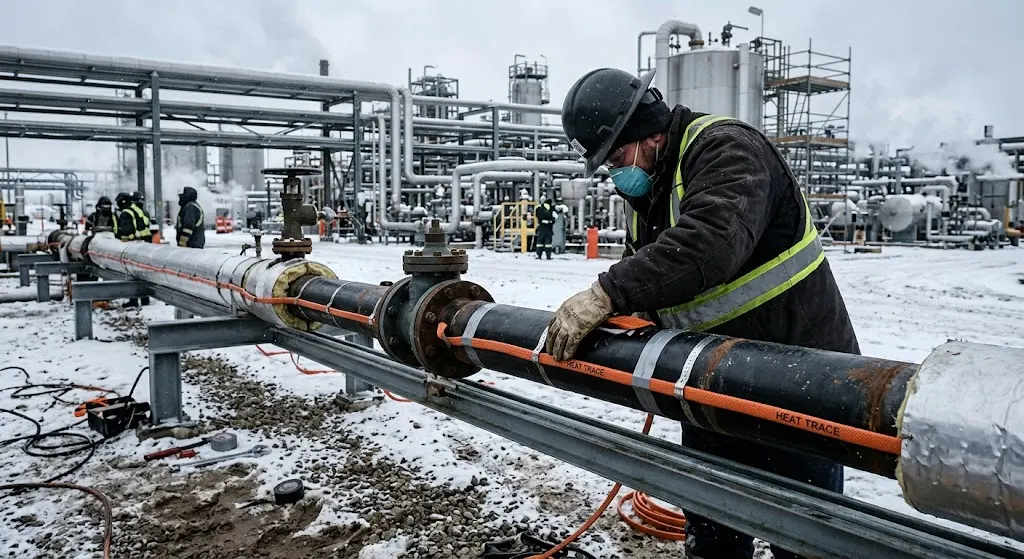
Heat tape should be installed according to the cable manufacturer’s instructions, the pipe manufacturer’s requirements, and applicable electrical codes. The cable must be routed, connected, protected, tested, and insulated using components approved for the selected system and installation environment.
- Inspect the pipe, existing insulation, and installation route before fitting any cable.
- Confirm the cable is compatible with the pipe material and intended location.
- Follow the manufacturer’s instructions for cable routing, fastening, bend radius, and treatment of fittings.
- Use the specified connection, termination, and control accessories.
- Inspect the system before insulation and protective cladding are installed.
- Carry out the manufacturer’s required electrical tests and document commissioning results.
- Check the system before each cold season and after nearby construction or pipe repairs.
Do not assume cables may overlap, cross, or be modified in the field. These details vary by product design. Electrical connection work, testing, grounding, and protective devices should be handled by qualified personnel where required..
Signs a heat-tape system needs inspection
- Visible cable jacket damage, crushed insulation, or deteriorated connection components
- Repeated circuit trips or unexpected loss of heat
- Water ingress around connections or damaged exterior protection
- Recent building work, pipe replacement, or insulation repairs near the system
- A system that has not been inspected before the cold season
Frequently Asked Questions About Heat Tape for Water Pipes
Can heat tape be used on water pipes?
Yes, provided the heating cable is designed for the pipe material, the installation environment, and the intended freeze-protection requirement. Confirm compatibility with the cable manufacturer and pipe manufacturer before installation.
Does insulation replace heat tape on water lines?
No. Insulation reduces heat loss but does not produce heat. It may be enough in a mild, protected environment, but exposed or critical water lines may require both insulation and a correctly selected heating cable.
Can heat tape overlap on water pipes?
Do not assume overlap is permitted. Some heating cables have strict rules about overlapping, crossing, contact, and routing around fittings. Follow the product-specific installation instructions.
How do I know which heat tape length to buy?
Measure the full heated pipe route and identify valves, elbows, fittings, and equipment that may need special treatment. Length is only one part of selection; pipe diameter, insulation, temperature conditions, cable type, and control requirements must also be considered.
When should heat tape for water pipes be replaced?
Replacement may be needed when the cable jacket or connection components are damaged, test results indicate a fault, water ingress is present, or the product has reached the manufacturer’s stated service guidance. Do not modify or repair a cable unless an approved manufacturer method is provided.
Choose a Water Pipe Freeze-Protection System With Confidence
Share your pipe material, diameter, heated length, lowest ambient temperature, insulation details, available voltage, and installation location. Our team can help you identify a suitable cable and control approach for your project.