Book Categories:

ENGINEERING TOOLS
Home Heat Trace Calculator
Heat Trace Calculator
Estimate heat loss, cable size, design load and electrical demand for pipe freeze protection and temperature maintenance projects.
Youfu Thermal’s heat trace calculator tools help you organize the design inputs that matter before selecting self-regulating, constant wattage or mineral insulated heating cable.
Heat Trace Calculators for Different Design Stages
Start with the tool that matches your question. The cable sizing calculator translates project inputs into a preliminary cable length and electrical load. The pipe heat loss calculator focuses on the thermal loss that the heating system must offset.
TOOL 01
Heat Trace Cable Sizing Calculator
Estimate preliminary design load, heat loss, cable length, cable runs and running current for a straight pipe run.
- Imperial and metric units
- Freeze protection and temperature maintenance
- UFD, UFM, UFH, UFP, UFC and MI screening
TOOL 02
Pipe Heat Loss Calculator
Estimate heat loss per metre, total heat loss, design load, recommended cable output and preliminary running current.
- Pipe diameter and insulation inputs
- Ambient, maintain temperature and exposure factors
- Safety factor and valve allowance
NEXT DESIGN STEP
Project-Specific Heat Trace Review
Share the pipe drawing, operating temperatures, insulation details, voltage and fittings with Youfu Thermal for a product and cable schedule review.
- Product family and output confirmation
- Connection kits and controls
- Application and installation review
What a Heat Trace Calculator Helps You Estimate
A heat trace calculator is an early design tool. It helps convert a pipe’s thermal conditions into information that can be checked against a heating cable datasheet and discussed with an installer, engineer or supplier.
Thermal Load
Estimate heat loss from pipe diameter, length, temperature difference, insulation and exposure. This is the heat the system must replace.
Cable Output
Compare the design load with nominal cable output options such as 10, 15, 30, 40, 45 or 60 W/m, subject to product limits.
Electrical Demand
Use estimated installed power and voltage to discuss running current, circuit zones, controls and circuit protection.
How to Use the Heat Trace Calculator Tools
01
Collect the Design Inputs
Confirm actual pipe outside diameter, heated length, pipe material, minimum ambient temperature, maintain temperature, insulation thickness and wind exposure.
02
Run the Appropriate Estimate
Use pipe heat loss when you need the thermal load. Use cable sizing when you need a preliminary cable length, runs and current.
03
Verify the Product Design
Check the result against the exact cable datasheet, output curve, temperature rating, maximum circuit length, controller and local electrical requirements.
Key Inputs for Heat Trace Design
| Input | Why It Matters | What to Confirm |
|---|---|---|
| Pipe diameter and material | Surface area and thermal behavior affect heat loss and cable compatibility. | Actual OD, pipe schedule and PEX, PVC, CPVC, copper or steel construction. |
| Minimum ambient temperature | The coldest design condition drives the temperature difference. | Local design temperature rather than an average winter temperature. |
| Insulation thickness and condition | Insulation reduces heat loss; moisture or gaps can increase it. | Material, thickness, continuity, weatherproofing and mechanical protection. |
| Valves, flanges and branches | Fittings can act as heat sinks and need additional cable routing. | Complete pipe drawing, fitting count, supports, pumps and instruments. |
| Voltage and controls | Voltage, controller and protection determine the electrical design. | Available supply, circuit length, thermostat, ground-fault protection and local code. |
Recommended Heat Trace Products
Use calculator results as a product discussion starting point. Final selection must match the required maintenance temperature, exposure temperature, output, voltage and installation environment.
Self-Regulating Heating Cable
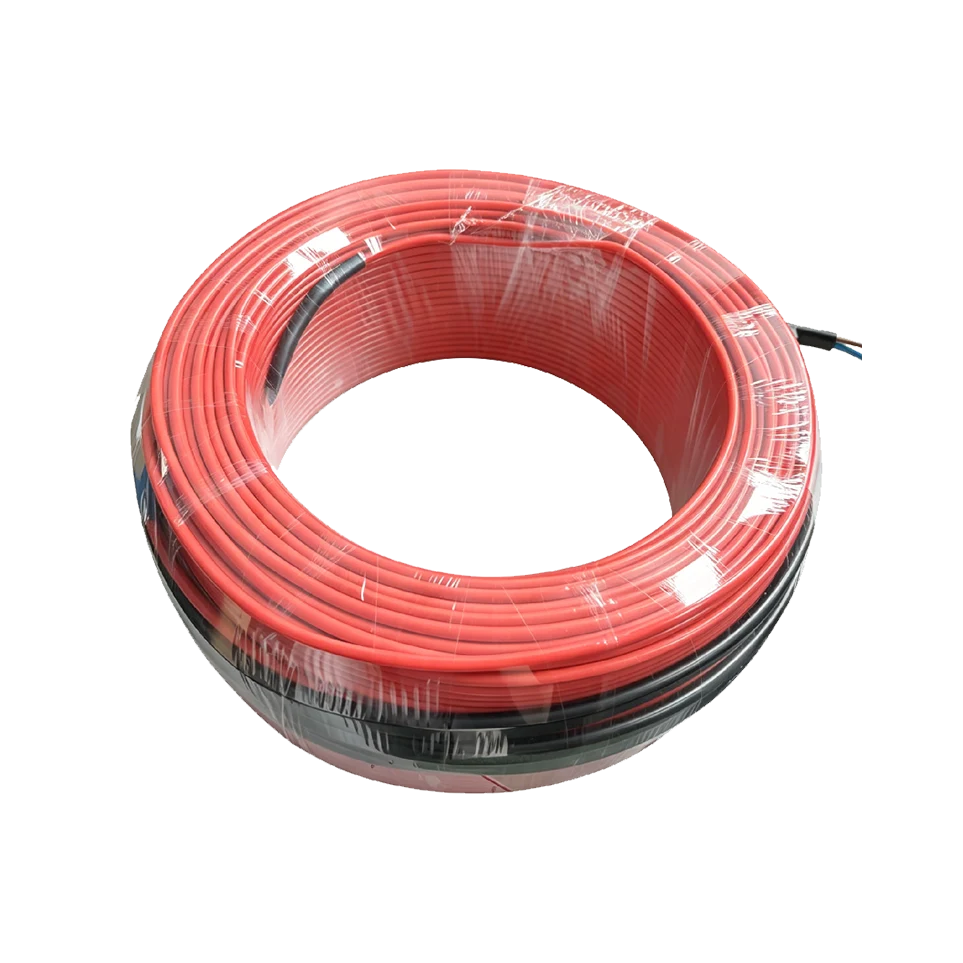
UFD, UFM and UFH cover different temperature ranges for freeze protection, condensation prevention and process temperature maintenance.
Constant Wattage and Heating Cable
UFP and UFC provide defined continuous output for pipeline, tank, long-distance and snow melting applications.
Installation Accessories
Connection boxes, splices, end seals and controls complete a safe and serviceable heat tracing system.
Heat Trace Applications
Pipe Freeze Protection
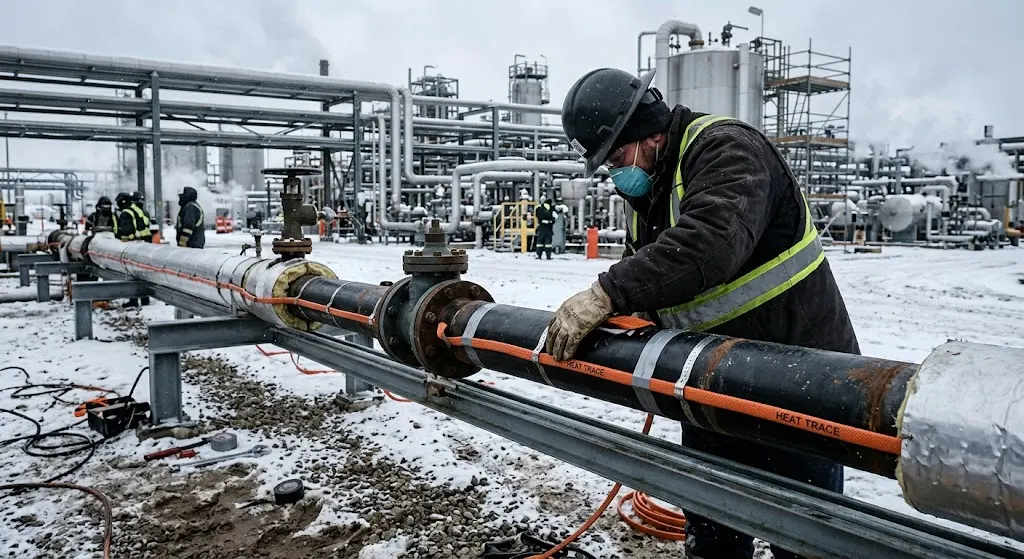
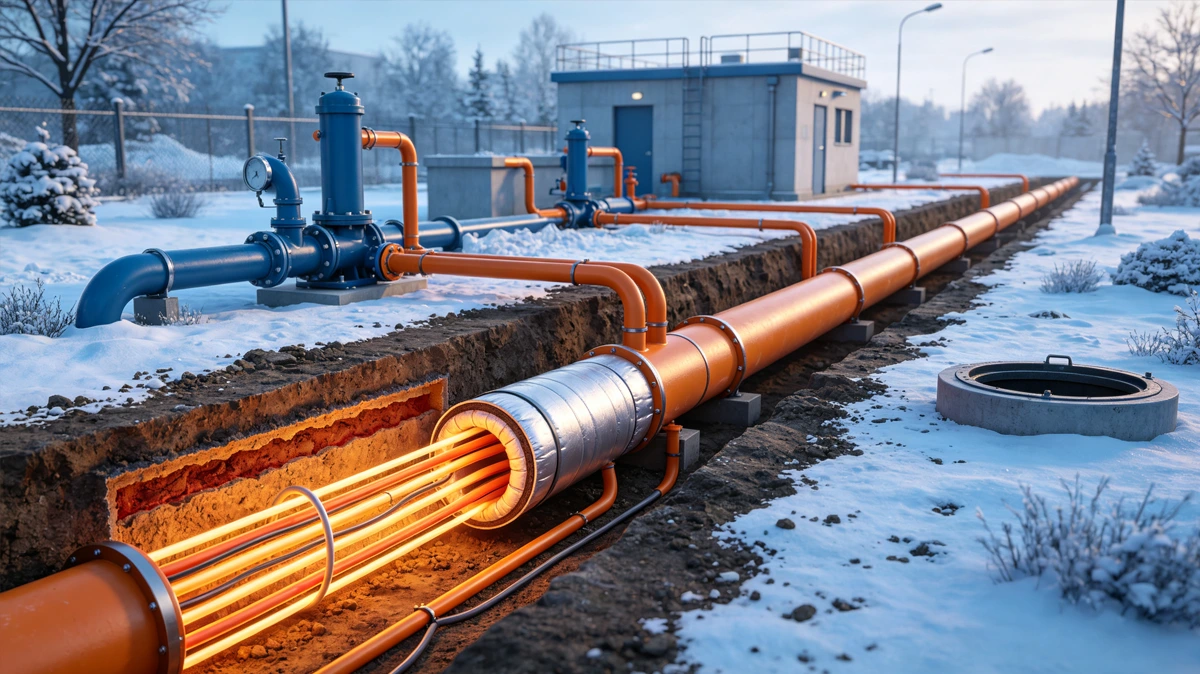
Protect domestic water, fire protection, process and utility pipelines from freezing in outdoor or unheated areas.
Roof and Gutter Deicing
Use dedicated heating cable layouts around roof edges, gutters and downspouts to reduce ice dams and blocked drainage.
Snow Melting Systems
Design heating zones for steps, walkways, driveways and outdoor surfaces using suitable cable or mats.
How to Choose Between Heat Trace Cable Families
Self-regulating cable is often considered when ambient conditions change along a pipe and flexible field cutting is useful. Constant wattage cable can suit defined, predictable layouts that require stable continuous output. Mineral insulated cable is reserved for demanding high-temperature industrial conditions and needs a project-specific review.
Do not select a cable from wattage alone. Confirm the cable’s maximum maintenance temperature, maximum exposure temperature, voltage range, output curve, circuit length, startup current, control method, connection accessories and applicable standards. Review the Heat Trace Cable Sizing Calculator together with the Pipe Heat Loss Calculator before requesting a final recommendation.
Heat Trace Calculator FAQ
What does a heat trace calculator estimate?
Which heat trace calculator should I use first?
Does heat trace cable replace pipe insulation?
Does the calculator include valves and fittings?
Can I use a result as a final cable order?
Need a Project-Specific Heat Trace Recommendation?
Send your pipe layout, operating temperature, minimum ambient temperature, insulation details and available voltage to the Youfu Thermal team.